Intelligente Lösungen zur Förderung derKnochen- und Gelenkgesundheit
in einer älter werdenden Bevölkerung
in einer älter werdenden Bevölkerung
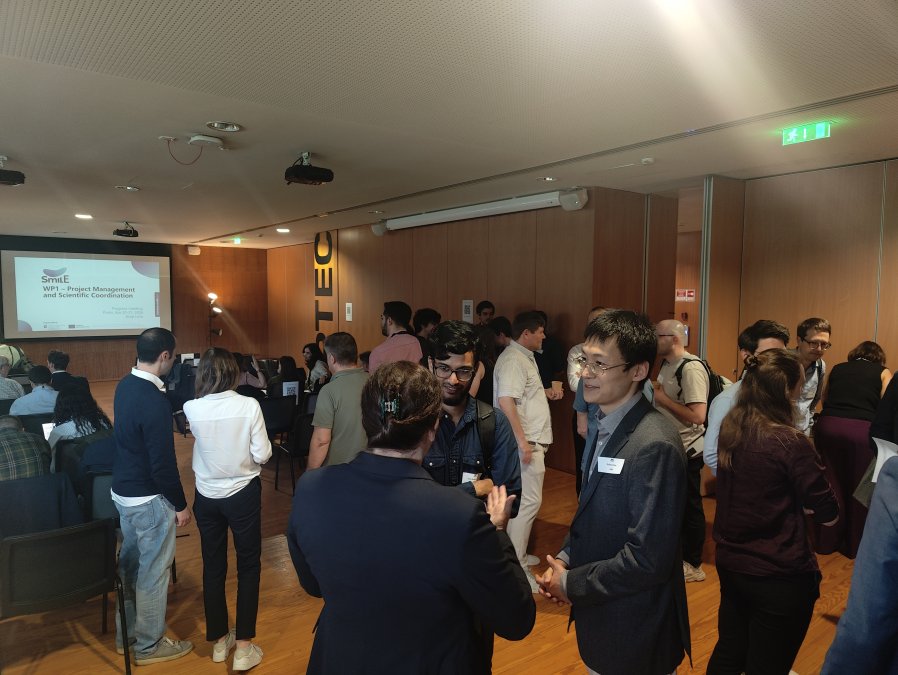
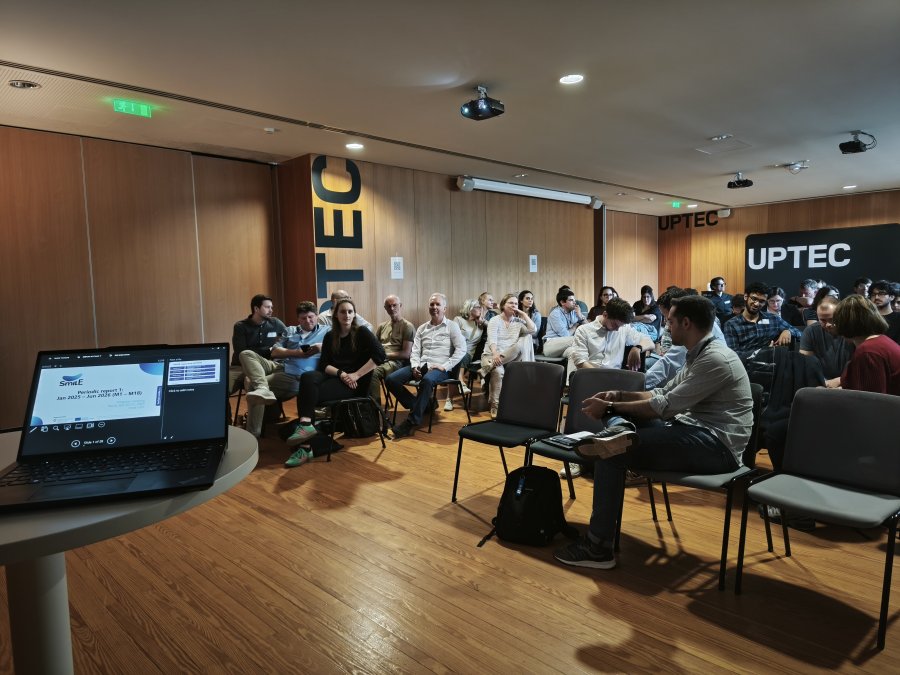
On April 20-21, the SmILE consortium gathered in Porto, Portugal, for a two-day progress meeting hosted by Fraunhofer Portugal AICOS. More than 50 participants from over 20 partner organisations attended, including members of the Patient Advisory Board. The meeting provided an opportunity to review progress after the first 16 months of the project and to align on the next phase of work.
The meeting was opened with welcoming remarks from Duarte Folgado (Fraunhofer Portugal), who greeted participants and set the scene for the two days ahead by highlighting the importance of bringing the consortium together at this stage of the project. Tobias Barth (BG Klinikum Hamburg) then addressed the participants on behalf of the coordinating team, reflecting on the progress made so far and outlining the key priorities moving forward.
The morning sessions focused on updates from the work packages.
Fraunhofer and RISE outlined overall project coordination, internal structures and ongoing management activities as part of WP1. They also highlighted efforts to align the project with broader initiatives like the Ageing Deal. UKSH presented WP2 and gave an overview of progress in collecting user needs through surveys and interviews with patients and healthcare professionals across several countries. They also reported on the development of the health technology assessment framework, regulatory planning for the different use cases and the establishment of Patient Advisory Boards. MOC introduced WP3, which focuses on the development of the data platform and interfaces that will connect devices, users and analytics. Work is ongoing on defining data flows, testing platform functionalities and preparing user interface features based on stakeholder input. IMEC presented WP4 and showcased progress in hardware development, including sensor and actuator design as well as the ongoing development of the chip platform. They highlighted how early prototypes are being prepared and how work is advancing on system integration, packaging and testing strategies. WP5 led by SWEMAC focuses on how medical devices are being adapted to integrate sensors and electronics across different use cases. This includes work on orthoses, implants and monitoring systems, alongside early prototyping, simulations and testing of key components. Fraunhofer IMTE presented WP6, which focuses on data analytics and artificial intelligence. Their work aims to combine data from devices, wearables and clinical sources to better understand patient recovery and support more informed decisions in care. Finally, RISE reported on WP8 by providing updates on the project website, social media outreach, stakeholder engagement and ongoing work on innovation management and exploitation planning.
Following the presentations, participants split into parallel sessions to discuss specific technical topics and cross-work package collaboration. These discussions focused on areas such as chip platform integration, system connections and aligning technical development with user needs and future studies. Informal demonstrations during the coffee breaks complemented these sessions and gave partners the chance to share early prototypes and ideas.
The second day was dedicated to more detailed discussions within each work package. Partners met in smaller groups to address open questions, coordinate upcoming tasks and identify dependencies between activities. The outcomes of these discussions were then presented in a plenary session, allowing the full consortium to stay aligned. Input from the Patient Advisory Board was an important part of these exchanges, particularly in discussions around communication and outreach, with practical suggestions on how to better present project results and engage with patients and the wider public. The meeting closed with a session by RISE on upcoming requirements for the next reporting period to the European Commission, helping partners prepare for the process and clarify responsibilities.
With the first results taking shape and the different parts of the project starting to come together, the next phase will focus on testing these solutions in real-life settings and refining them based on feedback from patients and clinicians. The coming months will show how these developments translate into practical tools that can support care in everyday life.